

SDG 9: Industry, Innovation and Infrastructure final

India faces critical infrastructure deficits, especially in rural regions, hindering economic growth and access to essential services. Inadequate roads, limited electricity, and insufficient healthcare facilities exacerbate disparities. This challenge demands innovative solutions to bridge urban-rural divides and enhance quality of life.
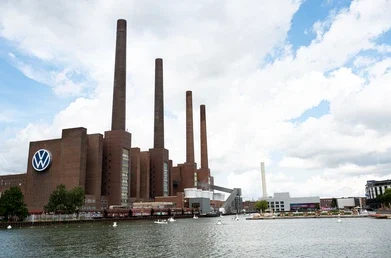
Despite their global competitiveness, German manufacturers are among the highest contributors to carbon emissions. The core challenge lies in balancing sustainability with profitability. Embracing renewable energy, transparent supply chains, and process innovation is essential to drive a green industrial revolution and reinforce Germany’s leadership in responsible manufacturing.
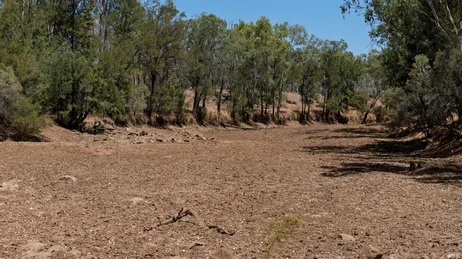
Australia faces recurring droughts that threaten water security and ecosystem resilience. Inefficient water management worsens the crisis. A multi-stakeholder approach, combining smart technology, community engagement, and sustainable policy, is key to ensuring responsible and equitable water use.
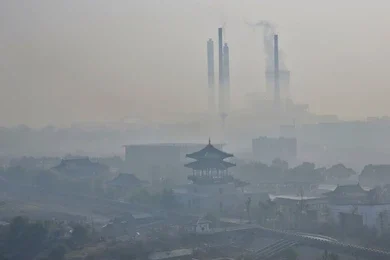
China struggles with alarming air and water pollution levels, primarily driven by rapid industrial growth. This environmental crisis impacts public health and biodiversity, threatening ecosystems and communities alike. Urgent action is needed to reform industrial practices, implement sustainable technologies, and enforce stricter regulations.
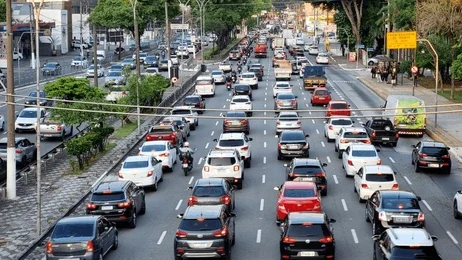
Brazilian cities like São Paulo face rapid urbanization, they struggle with inadequate infrastructure that cannot keep pace with population growth. This surge results in severe traffic congestion, affecting daily life and economic productivity. Additionally, unchecked development contributes to environmental degradation, threatening green spaces and biodiversity. To address these interconnected issues, innovative and sustainable urban planning solutions are urgently needed.

SDG 8: Decent Work and Economic Growth

As Vietnam’s economy grows, its dependence on low-cost labor and unsustainable practices threatens long-term competitiveness. Transitioning to green technologies and higher-skilled industries is crucial. A national strategy that balances growth with environmental stewardship will ensure future resilience.

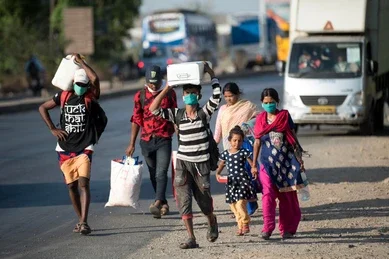
High unemployment and a vast informal workforce in India result in job insecurity and limited social protections. A persistent skills mismatch worsens the situation. Comprehensive reforms in education, training, and job creation are essential to unlock economic potential and promote long-term stability.

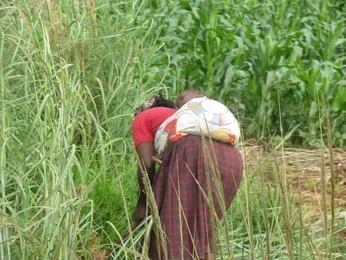
In Kenya, the challenge lies in addressing the low levels of formal sector employment, which limit economic growth and stability. A significant reliance on agriculture leaves many vulnerable to climate change and market fluctuations. Enhancing skills training and diversifying economic opportunities are essential to uplift livelihoods. Strategies must be implemented to transition workers from subsistence farming to sustainable, formal employment pathways.

Germany’s aging population is intensifying workforce shortages in critical sectors, threatening long-term economic stability. Without swift adaptation, productivity and innovation may decline. Strategic policies, talent attraction, and upskilling initiatives are needed to sustain a dynamic and competitive economy.

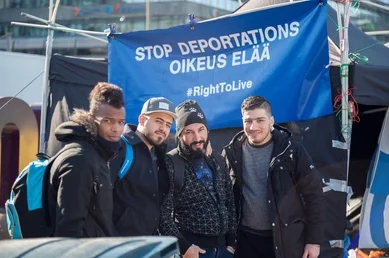
Integrating immigrants into the workforce remains a challenge in Finland due to barriers in language acquisition and recognition of prior qualifications. These hurdles limit economic contribution and deepen social divides. A coordinated effort among government, employers, and communities is crucial to foster inclusive employment and bridge labor shortages.

SDG 7: Affordable and Clean Energy

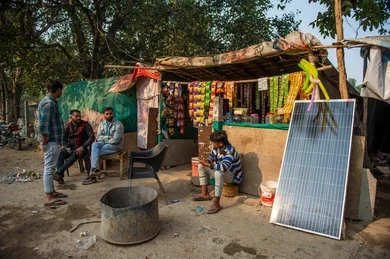
Ethiopia faces a pressing challenge of limited access to clean electricity, especially in rural regions, compounded by a heavy reliance on traditional biomass for cooking. This dual dependency hampers economic development and poses significant health risks. The need for sustainable energy solutions is urgent, as it impacts livelihoods, education, and environmental sustainability. Addressing these issues is crucial for fostering a healthier, more empowered population and achieving long-term growth.

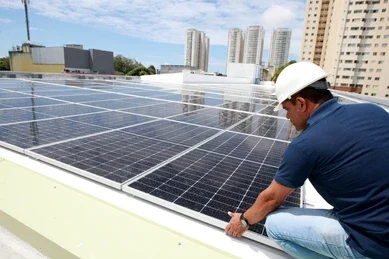
In Brazil, marginalized communities face limited energy access, while the country’s dependence on hydropower makes it vulnerable during droughts. These challenges threaten energy security and equity. Diversifying clean energy sources is crucial to safeguard stability and inclusion.

Aging infrastructure and coal dependency in South Africa result in unreliable electricity and rising costs, worsening inequality and straining the economy. A bold transition to sustainable energy is vital to ensure affordable, reliable power for all.

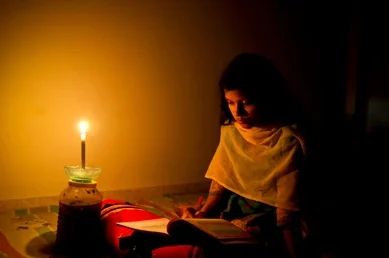
Widespread energy shortages in Bangladesh, especially in rural areas, force reliance on biomass for cooking, harming health and the environment. This dependency perpetuates poverty and restricts development. A shift toward renewable energy is essential for cleaner, healthier living conditions.

Nigeria faces a critical energy crisis, with approximately 45% of its population lacking access to reliable electricity. Frequent outages and exorbitant costs stymie economic growth and limit opportunities for development. This dire situation hinders productivity and exacerbates poverty levels across the nation. Innovative solutions are urgently needed to transform Nigeria’s energy landscape for sustainable progress.

SDG 6: Clean Water and Sanitation


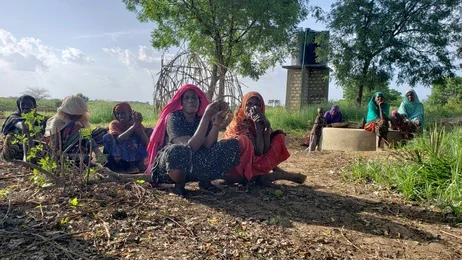
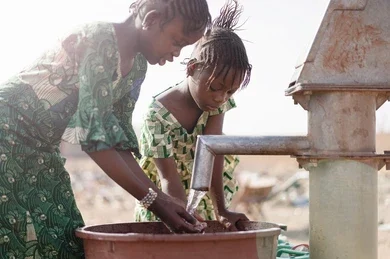
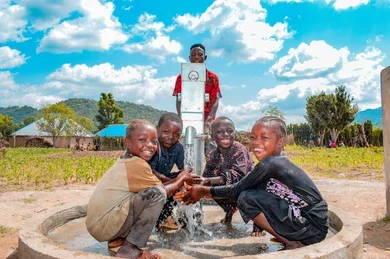
Ethiopia struggles with water scarcity, worsened by frequent droughts and inadequate sanitation, leaving rural communities at risk. Without sustainable water management strategies, health and livelihoods are in danger. Coordinated action is essential to ensure sustainable and clean water access and improved sanitation.

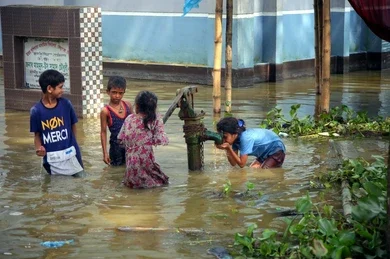
Bangladesh faces recurring floods that contaminate water sources and damage sanitation systems. Rising temperatures and erratic monsoons driven by climate change intensify the challenge, threatening public health. There is an urgent need for cross-sectoral response to strengthen water infrastructure, invest in flood-resilient systems, and deploy solutions to monitor and respond to water contamination.

India’s sanitation crisis affects millions, leading to severe health risks and environmental degradation. The lack of basic facilities perpetuates inequality and environmental pollution. Expanding access to clean sanitation through scalable solutions is key to protecting the public health and the ecosystem.

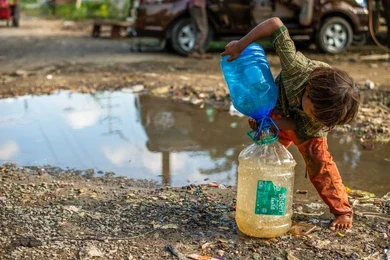
Nigeria faces a critical water crisis driven by poor infrastructure and contamination, leading to widespread diseases like cholera and dysentery. This threatens public health, especially in vulnerable communities. Urgent collaborative solutions are needed to improve water quality and safeguard lives.

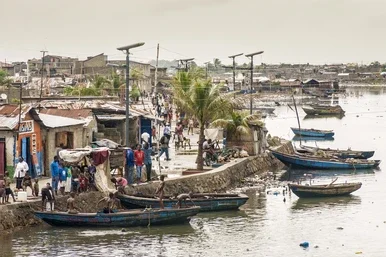
Haiti continues to battle cholera outbreaks and broken sanitation systems, a legacy of the 2010 earthquake. Despite international efforts, the lack of clean water and proper waste management continues to hinder public health. Communities suffer preventable illness due to unsafe water and poor waste management. Rebuilding infrastructure and restoring health security remain urgent priorities.

SDG 5: Gender Equality

Maternal health disparities and healthcare access disproportionately affect women from marginalized racial and ethnic communities in the United States, leading to preventable complications and mortality. Efforts must be made to improve healthcare policies, enhance education, and promote equity in maternal health services. Addressing systemic healthcare gaps is essential to ensure equitable, quality care for all mothers.

Gender-based violence remains a pervasive issue in India, with high rates of domestic abuse and sexual harassment despite legal reforms. This undermines women’s safety, autonomy, and societal participation. Strengthening enforcement and support systems is critical to protect and empower women.

Legal and societal restrictions continue to limit women’s participation in the workforce and decision-making in Saudi Arabia. These barriers hinder economic growth and gender equality. Advancing legal reforms and promoting women’s empowerment are key to driving inclusive development.

In Sweden, the pursuit of work-life balance remains a challenge, as many women continue to grapple with the demands of balancing careers and family responsibilities. Despite progressive policies designed to support this equilibrium, societal expectations and workplace structures often impede true flexibility. The struggle for equitable sharing of domestic duties persists, further complicating efforts towards gender equality. As Sweden strives to uphold its reputation for progressive values, addressing these challenges is essential for fostering a more inclusive society.

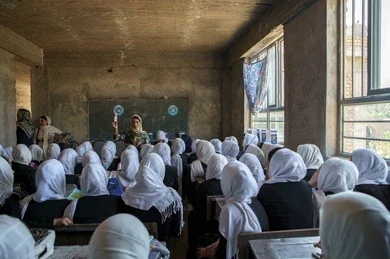
In Afghanistan, the educational landscape presents a daunting challenge, as girls, particularly in rural regions, face monumental barriers to accessing schooling. Cultural norms and safety concerns often deter families from sending their daughters to school, perpetuating cycles of illiteracy. Additionally, the scarcity of qualified teachers and resources compounds the issue, leaving many young women without opportunities for personal and professional growth. This lack of education not only stifles individual potential but also hinders the overall progress of society.


SDG 2: Zero Hunger


Small-scale farmers across Africa struggle with food insecurity and poor resource management. Limited access to data and technology impedes effective crop planning and water usage. Expanding digital tools and training is essential to boost yields and ensure food security.

Many U.S. farmers face challenges adopting sustainable agriculture practices, leading to inefficient resource use, increased costs, and reduced yields. Traditional farming methods often lack the necessary data to make informed decisions about crops, soil health, and water management, resulting in waste and diminished productivity.

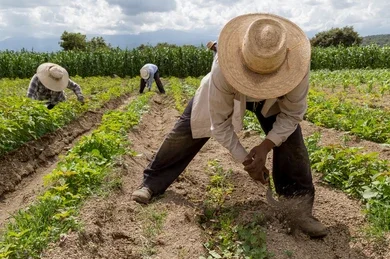
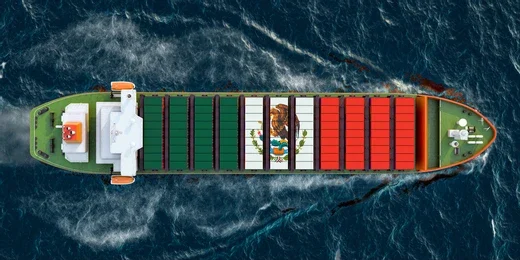
In Mexico, reliance on synthetic fertilizers and pesticides degrades soil and undermines sustainable agriculture. These practices threaten long-term food security. Transitioning to eco-friendly farming methods is key to achieving zero hunger and environmental resilience.

Farmers worldwide suffer from low profitability and inefficiencies due to the absence of real-time insights on farm operations, markets, and climate. This results in waste and environmental harm. Advancing smart farming solutions can help drive efficiency and reduce hunger.

SDG 17: Partnerships for the Goals


In many regions, governments and institutions lack the capacity and tools to collect, share, and analyze data, hampering evidence-based decision-making and accountability for SDG progress.

Many developing nations struggle to secure adequate financial support for achieving SDGs due to debt burdens, limited investment, and donor fatigue.

Global partnerships often suffer from misaligned priorities among countries and institutions, weakening the effectiveness of collective action for sustainable development.

SDG 16: Peace, Justice and Strong Institutions


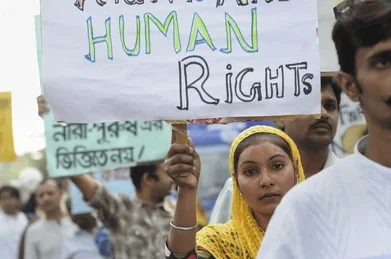
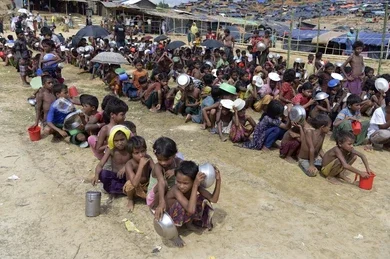
In Myanmar, ethnic minorities, especially the Rohingya, endure pervasive discrimination that severely impedes their access to justice. These marginalized groups encounter systemic barriers, including legal exclusion and heightened vulnerability to violence and persecution. Despite international advocacy for their rights, significant obstacles remain entrenched within the country’s legal framework and societal norms. The urgent need for reform and equitable treatment is overshadowed by a climate of fear and impunity, leaving these communities in a state of desperation.

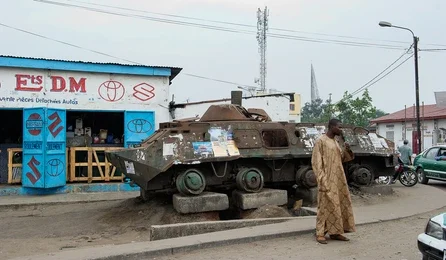
The Democratic Republic of the Congo (DRC) faces significant challenges to peace, as armed conflict and violence persist, largely fueled by fierce competition over the country’s abundant natural resources. Various armed groups and factions vie for control, leading to widespread instability and suffering among the population. Despite numerous efforts to broker peace, the cycle of violence continues, exacerbating humanitarian crises and displacing millions. The intricate web of local grievances and global economic interests complicates the path toward a lasting resolution, leaving the DRC in a precarious state.

South Sudan faces significant challenges in building strong institutions, primarily due to weak governance structures that hinder effective administration and accountability. The absence of robust legal frameworks and policies has led to widespread corruption and mismanagement of resources. Additionally, inadequate infrastructure hampers service delivery and fails to meet the basic needs of the population. These intertwined issues create a cycle of instability, making it difficult for the nation to progress towards lasting peace and development.

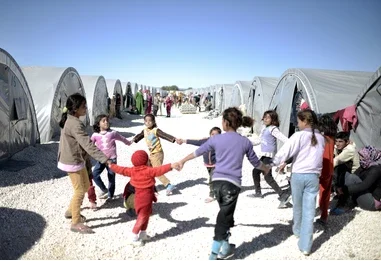
The ongoing civil war in Syria has led to devastating humanitarian consequences, displacing millions and fracturing the social fabric of the nation. As communities are torn apart and basic services collapse, the once-unified national identity struggles to reemerge amidst the chaos. The profound impacts of violence and instability have created deep divisions, complicating any efforts toward reconciliation or peace-building. In this context of fragmentation, the path to a cohesive and peaceful Syria remains obscured, posing a daunting challenge for its future.

Honduras grapples with a pervasive challenge of violence and crime, fueled by rampant drug trafficking and gang activities that undermine community safety. High murder rates and social instability have created an environment of fear, where families live in constant anxiety about their safety. Efforts to restore peace are complicated by poverty, lack of education, and limited economic opportunities that perpetuate cycles of violence. As communities struggle to secure a safe environment, the urgent need for effective solutions remains, but the path forward is fraught with obstacles.

SDG 15: Life on Land

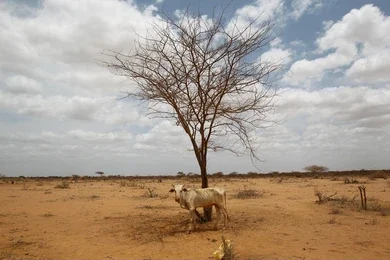
Somalia faces a daunting challenge of land degradation, exacerbated by frequent droughts and inadequate land management practices. The relentless cycle of dry spells has stripped the soil of its fertility, leading to diminished agricultural productivity and heightened food insecurity. As communities grapple with the consequences of these environmental pressures, the agricultural sector struggles to sustain livelihoods, resulting in a dire need for effective interventions. The situation calls for urgent attention to restore land health and improve resilience against climatic extremes.

​Australia faces a pressing challenge with invasive species that jeopardize its unique biodiversity. The introduction of non-native species has led to significant disruptions in local ecosystems, threatening native plants, animals, and their habitats. As these invaders proliferate, they outcompete and displace indigenous species, leading to a decline in ecological balance. The ongoing struggle to manage and mitigate the impact of these invasive organisms calls for urgent attention and action.

Indonesia faces a critical challenge with peatland degradation, where the drainage and deforestation of these vital ecosystems for agricultural expansion are wreaking havoc. This destructive practice not only results in significant carbon emissions but also leads to a devastating loss of biodiversity, disrupting delicate ecological balances. Furthermore, the altered landscapes have become increasingly susceptible to fires, posing severe risks to both the environment and local communities. The urgent need for effective strategies to address these issues remains a pressing concern for the nation’s future.

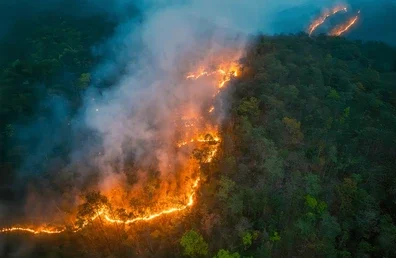
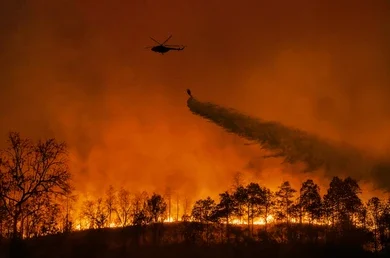
The United States is grappling with increasingly severe and frequent wildfires, a crisis exacerbated by climate change and inadequate forest management practices. These devastating fires not only ravage vast landscapes but also threaten the livelihoods of local communities, displacing families and destroying homes. Ecosystems that once thrived are now left charred and vulnerable, leading to long-term ecological imbalances. As this cycle of destruction intensifies, the urgent need for comprehensive strategies to address the root causes becomes more critical than ever.

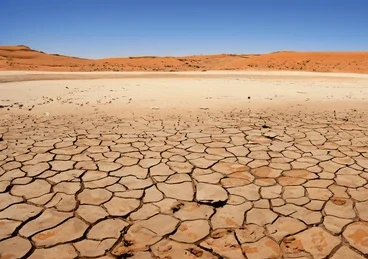
Egypt faces a pressing challenge of desertification, driven by inadequate water management, rapid urban expansion, and unsustainable agricultural practices. These factors contribute to the alarming loss of arable land, jeopardizing the nation’s ability to sustain its growing population. As fertile lands diminish, the food security of millions hangs in the balance, intensifying competition for resources. Without effective strategies to combat this issue, the future of agriculture in Egypt remains uncertain, with dire implications for both livelihoods and national stability.

SDG 14: Life Below Water

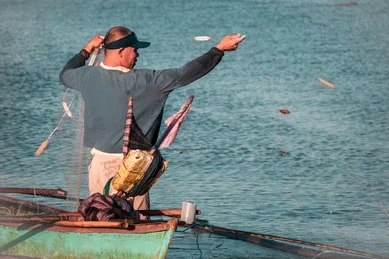
In the Philippines, illegal fishing practices such as dynamite and cyanide fishing pose a significant threat to marine ecosystems. These destructive methods not only devastate fish populations but also damage coral reefs and other vital habitats. The widespread prevalence of these activities highlights the urgent need for effective regulation and enforcement to protect the nation’s rich marine biodiversity. Without intervention, the long-term health of the oceans and the livelihoods of local communities remain at serious risk.


In Mexico, the pervasive issue of narco-trafficking severely undermines marine conservation initiatives, as drug cartels exploit coastal areas for their operations. This illicit activity fuels increased poaching, threatening endangered marine species and disrupting delicate ecosystems. Additionally, the presence of violence and corruption deters legitimate conservation efforts, diverting resources and attention from protecting vulnerable habitats. The intertwining of drug trafficking and environmental degradation poses a formidable challenge, complicating efforts to sustain the rich marine biodiversity of the region.

Indonesia faces a pressing challenge with the overexploitation of its marine resources, where unsustainable fishing practices are depleting fish populations and jeopardizing marine biodiversity. This degradation not only threatens the livelihoods of local fishermen but also disrupts the delicate balance of the marine ecosystem. Without immediate intervention, the continued extraction of fish at unsustainable rates could lead to irreversible damage.

Japan’s continued whaling practices generate significant ethical and conservation concerns, as they not only challenge global norms but also threaten the survival of certain whale species. Despite international opposition and bans, Japan has persisted in its whaling activities under various justifications, such as scientific research. This defiance raises alarms among conservationists who fear that the delicate balance of marine ecosystems is at stake. The situation encapsulates the broader tension between cultural traditions and the urgent need for sustainable environmental practices, leaving the global community at an impasse.

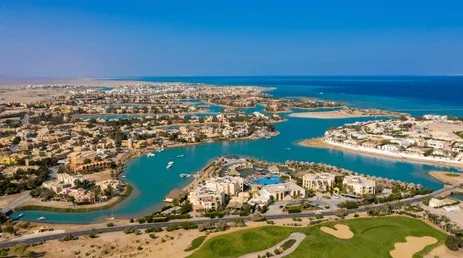
Egypt’s coastal tourism, especially in the Red Sea region, is experiencing a surge that poses significant challenges to environmental sustainability. Unregulated development has resulted in habitat destruction, threatening the delicate balance of marine ecosystems and local biodiversity. Coral reefs, essential for tourism and marine life, are increasingly at risk from overexploitation and pollution. Without effective regulatory measures, the long-term consequences for both the environment and the tourism industry could be dire.