


SDG 8: Decent Work and Economic Growth

As Vietnam’s economy grows, its dependence on low-cost labor and unsustainable practices threatens long-term competitiveness. Transitioning to green technologies and higher-skilled industries is crucial. A national strategy that balances growth with environmental stewardship will ensure future resilience.
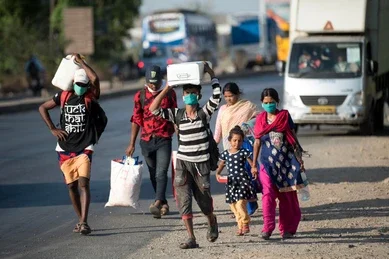
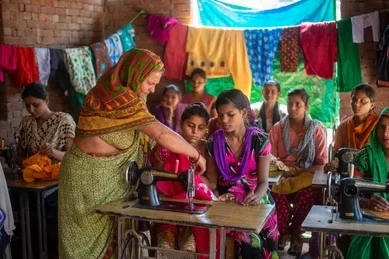
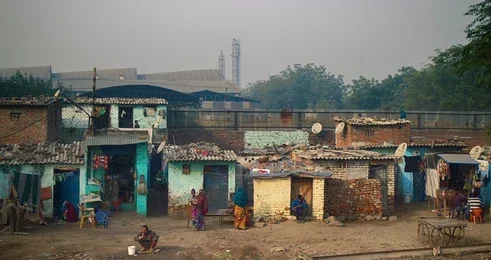
High unemployment and a vast informal workforce in India result in job insecurity and limited social protections. A persistent skills mismatch worsens the situation. Comprehensive reforms in education, training, and job creation are essential to unlock economic potential and promote long-term stability.
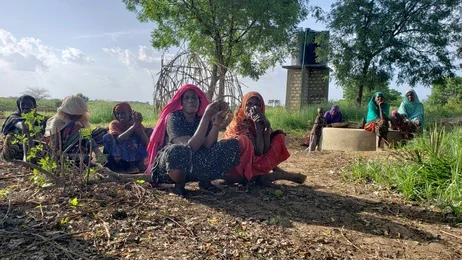
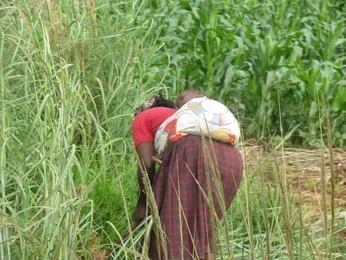
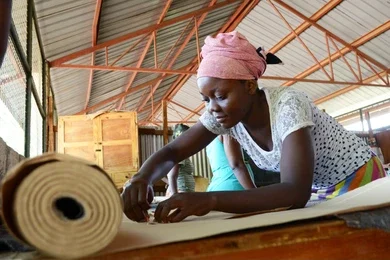
In Kenya, the challenge lies in addressing the low levels of formal sector employment, which limit economic growth and stability. A significant reliance on agriculture leaves many vulnerable to climate change and market fluctuations. Enhancing skills training and diversifying economic opportunities are essential to uplift livelihoods. Strategies must be implemented to transition workers from subsistence farming to sustainable, formal employment pathways.
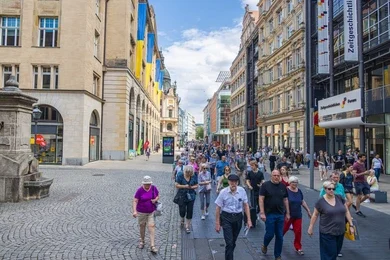
Germany’s aging population is intensifying workforce shortages in critical sectors, threatening long-term economic stability. Without swift adaptation, productivity and innovation may decline. Strategic policies, talent attraction, and upskilling initiatives are needed to sustain a dynamic and competitive economy.
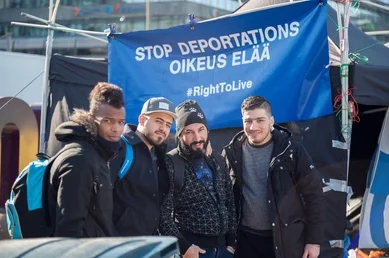
Integrating immigrants into the workforce remains a challenge in Finland due to barriers in language acquisition and recognition of prior qualifications. These hurdles limit economic contribution and deepen social divides. A coordinated effort among government, employers, and communities is crucial to foster inclusive employment and bridge labor shortages.


SDG 5: Gender Equality

Maternal health disparities and healthcare access disproportionately affect women from marginalized racial and ethnic communities in the United States, leading to preventable complications and mortality. Efforts must be made to improve healthcare policies, enhance education, and promote equity in maternal health services. Addressing systemic healthcare gaps is essential to ensure equitable, quality care for all mothers.

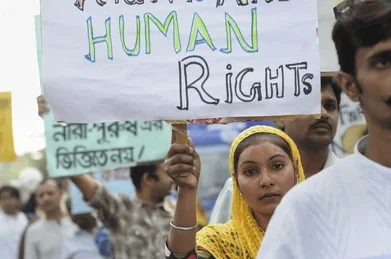
Gender-based violence remains a pervasive issue in India, with high rates of domestic abuse and sexual harassment despite legal reforms. This undermines women’s safety, autonomy, and societal participation. Strengthening enforcement and support systems is critical to protect and empower women.

Legal and societal restrictions continue to limit women’s participation in the workforce and decision-making in Saudi Arabia. These barriers hinder economic growth and gender equality. Advancing legal reforms and promoting women’s empowerment are key to driving inclusive development.

In Sweden, the pursuit of work-life balance remains a challenge, as many women continue to grapple with the demands of balancing careers and family responsibilities. Despite progressive policies designed to support this equilibrium, societal expectations and workplace structures often impede true flexibility. The struggle for equitable sharing of domestic duties persists, further complicating efforts towards gender equality. As Sweden strives to uphold its reputation for progressive values, addressing these challenges is essential for fostering a more inclusive society.

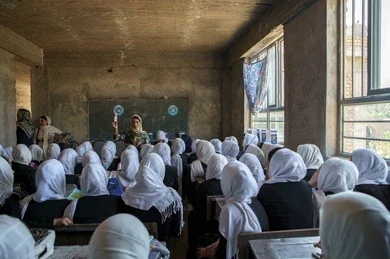
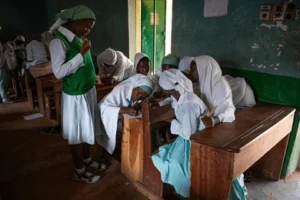
In Afghanistan, the educational landscape presents a daunting challenge, as girls, particularly in rural regions, face monumental barriers to accessing schooling. Cultural norms and safety concerns often deter families from sending their daughters to school, perpetuating cycles of illiteracy. Additionally, the scarcity of qualified teachers and resources compounds the issue, leaving many young women without opportunities for personal and professional growth. This lack of education not only stifles individual potential but also hinders the overall progress of society.


SDG 2: Zero Hunger


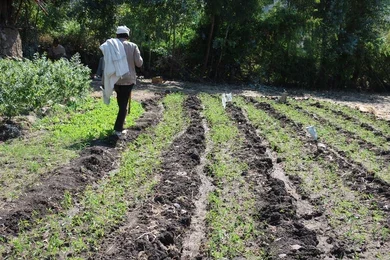
Small-scale farmers across Africa struggle with food insecurity and poor resource management. Limited access to data and technology impedes effective crop planning and water usage. Expanding digital tools and training is essential to boost yields and ensure food security.

Many U.S. farmers face challenges adopting sustainable agriculture practices, leading to inefficient resource use, increased costs, and reduced yields. Traditional farming methods often lack the necessary data to make informed decisions about crops, soil health, and water management, resulting in waste and diminished productivity.

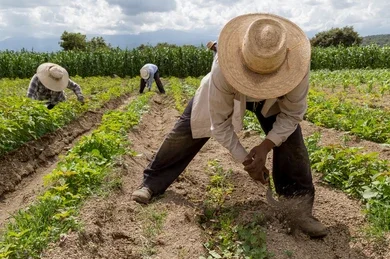
In Mexico, reliance on synthetic fertilizers and pesticides degrades soil and undermines sustainable agriculture. These practices threaten long-term food security. Transitioning to eco-friendly farming methods is key to achieving zero hunger and environmental resilience.

Farmers worldwide suffer from low profitability and inefficiencies due to the absence of real-time insights on farm operations, markets, and climate. This results in waste and environmental harm. Advancing smart farming solutions can help drive efficiency and reduce hunger.

SDG 4: Quality Education

Underrepresented groups in Norway face barriers to lifelong learning due to social, economic, and geographic disparities. These gaps limit access to continuous education and workforce advancement. Inclusive strategies are needed to boost participation and build a more equitable learning environment.

Girls in Kenya face barriers to vocational education, including early pregnancies, limited resources, and low parental support, leading to high dropout rates. These challenges hinder their personal growth and economic empowerment. Expanding support programs is essential to keep girls in school and on track.

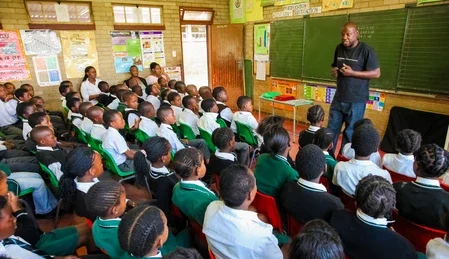
Teachers in South Africa struggle to strengthen their skills in math and science education, impacting student performance in key subjects. Without professional development, learning outcomes remain stagnant. Investing in targeted training is crucial to empower educators and improve student success.

India’s vocational training system faces a disconnect with labor market needs, leaving many students unprepared for available jobs. This mismatch contributes to high unemployment and skills shortages. Aligning curricula with industry demands is critical for workforce readiness which requires collaboration between industry stakeholders, government, and educational institutions.
Nigeria’s education system lacks the capacity to deliver skills in sustainability-focused sectors like renewable energy and agriculture. This skills gap hinders progress toward sustainable development. Revamping education to include targeted training is key to a greener, future-ready economy. Without targeted training and resources, the nation risks falling behind in the global shift towards sustainability.

SDG 3: Good Health and Well-being


In low-income countries, access to essential medicines remains limited, leading to preventable deaths and untreated chronic illnesses. This inequity worsens health disparities. Expanding access and improving affordability are critical to achieving global health equity.
Hospitals in Canada face long wait times and inefficient patient flow, leading to reduced patient satisfaction, higher stress, and increased operational costs. Healthcare workers also face burnout due to poor workflows. Streamlining systems is essential to improve care and reduce pressure on staff.

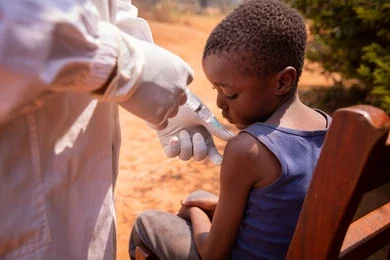
Inefficient supply chains hinder vaccine distribution, causing stock outs and avoidable waste. This disrupts immunization efforts and endangers public health. Enhancing supply chain systems is vital to ensure reliable access to life-saving vaccines worldwide.

In the United States, drug addiction remains a significant public health issue, with many treatment programs lacking the necessary data-driven insights to evaluate their effectiveness. As a result, healthcare providers struggle to identify best practices and implement programs that can lead to better patient outcomes.


SDG 11: Sustainable Cities and Communities


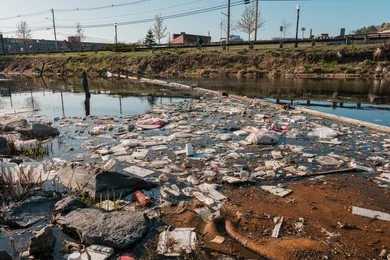
The U.S. grapples with an escalating waste management crisis, where overflowing landfills burden communities and contribute to environmental degradation. Cities struggle to implement effective recycling and composting programs, exacerbating pollution issues. Innovative solutions are urgently needed to reduce waste generation and promote sustainable practices. Citizens, businesses, and policymakers must collaborate to transform waste management into a more efficient and eco-friendly system.


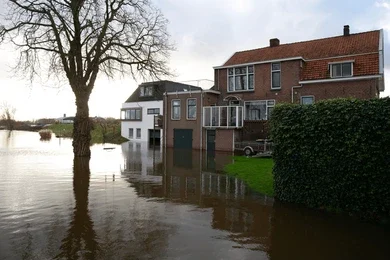
The Netherlands’ low-lying geography and reliance on water management make it particularly vulnerable to flooding, a risk amplified by climate change. Protecting communities, agriculture, and infrastructure demands adaptive strategies rooted in resilience and innovation. Cross-sector collaboration is essential to implement sustainable, future-ready flood mitigation systems.

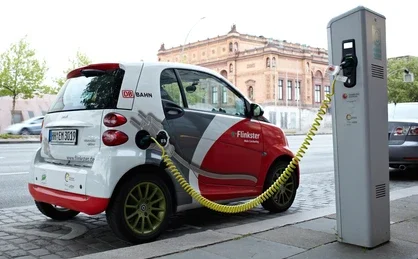
Germany’s cities face the pressing challenge of shifting to renewable energy while maintaining energy efficiency. As urban populations grow, smart infrastructure must be developed to integrate green energy without compromising economic performance. Sustainable urban growth will require coordinated efforts to innovate at the intersection of technology, policy, and environmental responsibility.

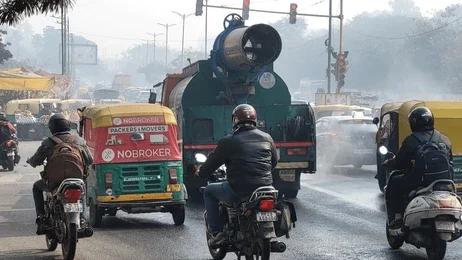
Urban air pollution in India, particularly in cities like Delhi, presents a pressing challenge as it severely compromises public health and diminishes the quality of life. With increasing industrial emissions, vehicle exhaust, and construction dust, the air quality deteriorates to hazardous levels. This leads to respiratory diseases, cardiovascular conditions, and overall well-being decline among residents. Immediate action is required to implement effective policies, promote clean energy, and raise public awareness to combat this crisis.


Singapore faces the Urban Heat Island effect, where dense infrastructure and limited greenery significantly elevate urban temperatures. This intensifies energy consumption, strains public health, and reduces overall livability. To enhance resilience and ensure a sustainable urban future, innovative solutions like green roofs, urban forests, and climate-responsive planning are urgently needed.

SDG 1: No Poverty

Despite global progress, extreme poverty and food insecurity persist, particularly in regions such as Somalia, where conflict and climate shocks have left communities highly vulnerable. Targeted interventions are needed to improve access to basic needs and build long-term resilience.

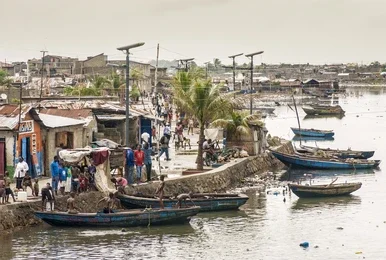
Following the 2010 earthquake, millions in Haiti remain trapped in extreme poverty, lacking access to clean water, sanitation, and essential services. Addressing poverty in all its forms requires sustained humanitarian support and inclusive recovery efforts.

Smallholder farmers across Africa and Asia face barriers to markets, finance, and timely information, limiting productivity and income. Expanding digital access and financial inclusion is key to enhancing livelihoods and breaking the cycle of rural poverty.


Underserved communities in Africa and Asia struggle to access healthcare, education, and financial services due to limited connectivity and lack of identification. Bridging the digital and ID gap is essential to unlocking services and reducing systemic poverty.

SDG 10: Reduced Inequality

The United States grapples with entrenched racial and economic disparities, reflected in unequal access to quality education, healthcare, and biased treatment within the criminal justice system. These systemic inequities entrench poverty and social exclusion, affecting millions. Confronting these interconnected issues is vital to advancing social justice and equal opportunity. Without bold reforms, the inequality gap will continue to widen, threatening the nation’s core values of fairness and inclusion.

In Mexico, health inequalities persist as urban populations enjoy better access to healthcare than their rural counterparts. Socioeconomic disparities further exacerbate these gaps, leading to significant differences in health outcomes. Limited resources and infrastructure in rural areas contribute to higher morbidity and mortality rates. Addressing these imbalances is critical for achieving equitable health for all citizens.

South Africa faces the enduring challenge of racial and economic disparities, where, despite the end of apartheid, systemic inequalities persist. Wealth remains concentrated among a small, predominantly white minority, while the majority struggle for access to essential services. This unresolved legacy of oppression fuels social discontent and hampers national progress. Concerted efforts are needed to bridge these gaps and foster inclusive growth.

Germany’s integration of a large influx of refugees poses a significant challenge, as it strains social cohesion and heightens economic disparities. The need for effective policies and community support is critical to foster acceptance and inclusivity. Balancing resources and opportunities among diverse populations remains a pressing issue. Ultimately, sustainable integration is vital for a harmonious and prosperous society.

In post-genocide Rwanda, gender imbalance in political representation has limited inclusive governance. The underrepresentation of women in leadership undermines equitable decision-making. Promoting gender-inclusive policies and expanding opportunities for women in governance are key to Rwanda’s sustainable development and social cohesion.